

Contract Support for Clinical Research
Contract support plays a crucial role in the successful planning and execution of clinical research. As studies become increasingly more complex and involve multiple stakeholders—such as sponsors, research institutions, contract research organizations (CROs), and regulatory agencies—the need for clear, well-structured contractual agreements has never been greater.
Effective contract support ensures that all parties understand their responsibilities, financial obligations, timelines, and compliance requirements. This includes drafting, reviewing, and negotiating clinical trial agreements, confidentiality agreements, vendor contracts, and budget documents. By providing accurate and transparent terms, contract support helps mitigate risks, maintain regulatory compliance, and protect the interests of both researchers and participants.
Moreover, strong contract management enables smoother study start-up, faster approvals, and more predictable project execution. It also ensures that clinical research aligns with ethical standards, data protection regulations, and institutional policies.


Training & Complementary Skills Courses
Transferable skills aim to widen the career prospects of researchers and are key elements for a successful Marie Skłodowska-Curie Actions (MSCA) proposal and competitive Doctoral Network project. They are also an integral part of the training programme in Horizon Europe.
We offer a number of tailored courses on complementary skills on a variety of topics in line with the MSCA guidelines’ suggestion, to support the career development and training of researchers.
We offer online courses through our platforms and tools, which we choose based on the specific requirements of each course.
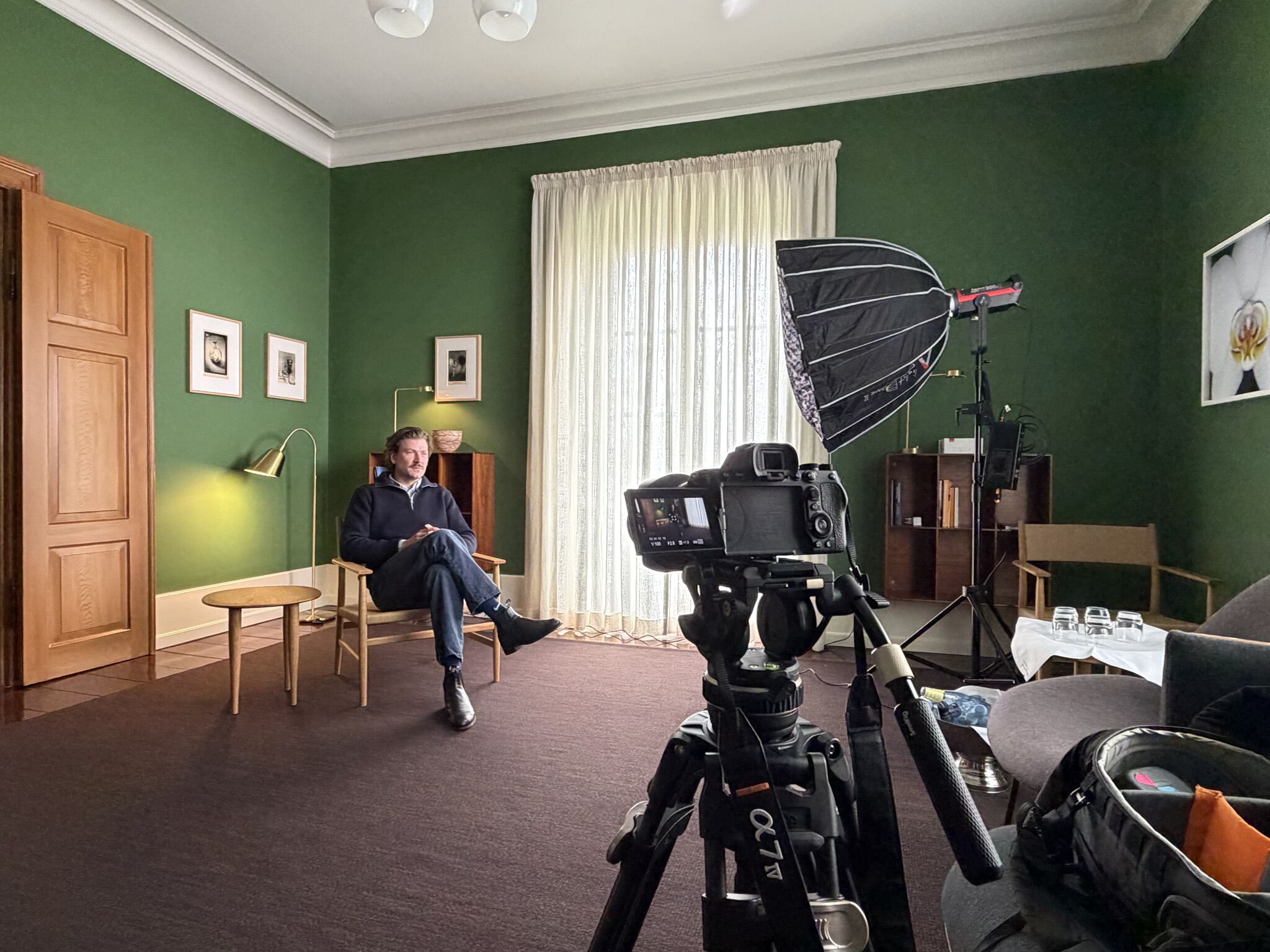
Innovation Acta provides additional services of interest of MSCA projects, including team building activities, activities to engage fellows, photo sessions for social media and project website, and creating of project videos featuring interviews with the fellows.
Researchers need strong transferable skills, even beyond projects funded by the European Commission. This makes the proposed topics suitable for training teams and staff across all sectors.
Scientific communication and presentation of scientific data
The course will focus on the different scientific communication skills that a researcher should possess. Depending on the situation and target audience, dissemination of the research outputs requires different “vehicles” and different presentation styles. The general concepts of scientific communication and the principles of oral and poster presentation to scientific meetings, how to write scientific papers, and how to communicate to the general public will be the main topics. At the end of the course the attendees should be able to present scientific concepts and data in an effective fashion.
Duration: 3 days
Grant writing
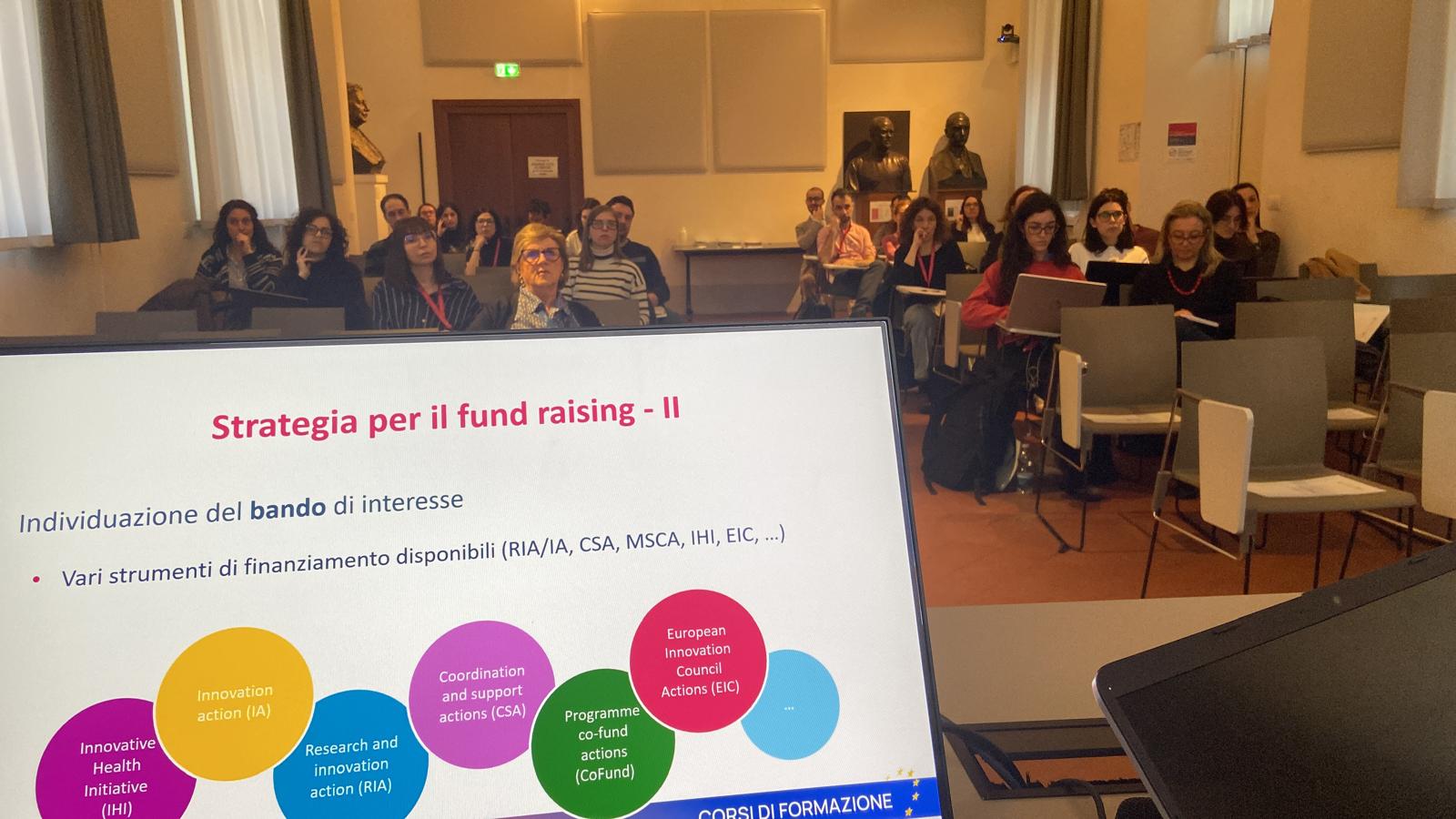
In this training, participants will get to know the most important European funding programmes. They will get to know the different funding opportunities as well as their specific requirements. In a second step, the participants will learn to choose the most suitable call, to identify possible partners and to understand and start writing specific parts of a research proposal: the research plan, the impact chapter, the implementation, the budget, the ethics, the gender aspects and other parts requested by the funding agencies the participants intend to address. Theorical and practical lessons will be given on the main instruments to write a successful proposal within the EU Commission programmes.
Duration: 3 days
Entrepreneurship and Innovation
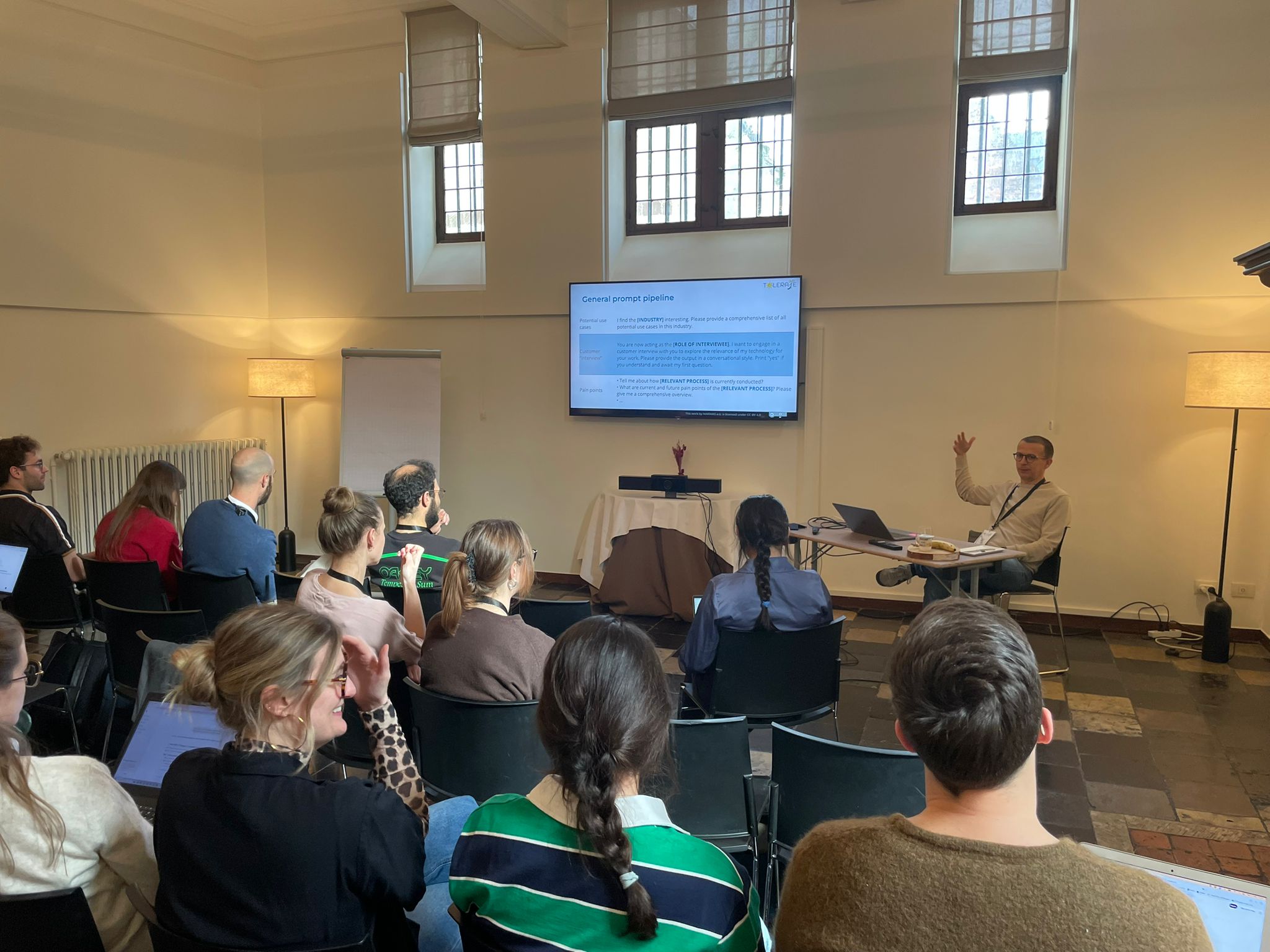
Academic research in Europe is witnessing an important transition phase. Europe has seen an unprecedented increase in the quality of researchers trained in European countries, and yet these excellent researchers face grim employability options. As the number of PhD holders increases, it is critical to equip researchers with the talents, business skills, and entrepreneurial capacity to be competitive in the evolving markets. With this course the participants will learn to navigate an entrepreneurial journey from idea generation to starting and managing a business. Core concepts will be introduced such as customer centric and hypothesis driven approach to innovation, ideation process, principles of managerial accounting, strategy analysis, competitive advantage, business ethics, and communication strategies.
Duration: 3 full day workshop + continuous training/coaching of teams over selected period (18-30 months)
Open data and Data Management
The principle of “open science” will become the modus operandi of Horizon Europe, requiring open access to publications and data, supported by infrastructure across Europe. This will assist market uptake and increase the innovation potential of results generated by EU funding. Open access of scientific publication and Open Research Data are key elements in Horizon 2020 and will acquire an even more relevance in the Horizon Europe Programme. Participants will learn how to make their research data findable, accessible, interoperable and reusable (FAIR). Good research data management is not a goal in itself, but rather the key conduit leading to knowledge discovery and innovation, and to subsequent data and knowledge integration and reuse. The trainers will provide useful tools and examples to prepare a data management plan.
Duration: 4 days
Gender dimension
Integrating the gender dimension in research and innovation is an added value in terms of excellence, creativity, and business opportunities. It helps researchers question gender norms and stereotypes, to rethink standards and reference models. It leads to an in-depth understanding of both genders’ needs, behaviours and attitudes. It enhances the societal relevance of the knowledge, technologies and innovations produced. It also contributes to the production of goods and services better suited to potential markets. The course will provide knowledge of key concepts around the gender dimension and gender equality.
Duration: 2 days
Intellectual Property Rights
This course aims to providing key concepts for the intellectual property protection of an invention, as well as results of your research. Why and how to protect inventions. The course will strengthen knowledge on IPR and on legal aspects of intellectual property in EU, and will provide tools for searching a patent, run a state of art and novelty search. Participants will learn how to read a patent document and find relevant information contained.
Duration: 2 days
Bio-ethics and Responsible Research and Innovation
This course focuses on ethical behavior in scientific research (regulatory compliance, responsible scientific behavior, societal impact of biotechnology and ethics) as well as the implementation of rules and guidelines for biomedical research involving human tissue and laboratory animals. Main topics of interest include: Responsible Research and Innovation; Protection of Personal Data within Research Activities; Management of Data in Research; Bioethics in Research (in general and in specific fields: biomedicine, social sciences, etc.); Biolegal Rules in the Management of Biological Materials; Open Science and Open Innovation.
Duration: 2 days
Integrity in Research
The course Integrity in Research will be focused on the analysis of the legal framework to support the researcher on her/his activity. Thus the module refers to the rights and obligations of researchers for responsible research activities, based on the meaning of freedom of research, freedom of circulation of researchers and the rights of the researchers on data and other results of scientific activities. To reach this goal, we will analyse the EU policy, for building the internal market and for the society of researchers and how in the performance of their activity these professionals must comply with a series of obligations. The course will also include some practical and interactive activities in order to involve the audience.
Duration: 1 day
Outreach communication and dissemination in EU projects
The course Outreach communication and dissemination in EU projects focuses on the analysis of communication strategies in European research programmes. The first part deals specifically with communication and dissemination in Horizon Europe, providing the legal basis and the main elements to be considered in writing a proposal. At the end of this part some communication and dissemination plans of particularly successful projects will be analyzed in detail. The second part of the course defines scientific communication, underlines its importance in European projects and provides valuable suggestions for the planning of specific communication strategies. Finally, an overview of the techniques for an effective and efficient communication in video and social channels will be presented.
Duration: 1 day
Scientific communication and presentation of scientific data
The course will focus on the different scientific communication skills that a researcher should possess. Depending on the situation and target audience, dissemination of the research outputs requires different “vehicles” and different presentation styles. The general concepts of scientific communication and the principles of oral and poster presentation to scientific meetings, how to write scientific papers, and how to communicate to the general public will be the main topics. At the end of the course the attendees should be able to present scientific concepts and data in an effective fashion.
Duration: 3 days
Grant writing
In this training, participants will get to know the most important European funding programmes. They will get to know the different funding opportunities as well as their specific requirements. In a second step, the participants will learn to choose the most suitable call, to identify possible partners and to understand and start writing specific parts of a research proposal: the research plan, the impact chapter, the implementation, the budget, the ethics, the gender aspects and other parts requested by the funding agencies the participants intend to address. Theorical and practical lessons will be given on the main instruments to write a successful proposal within the EU Commission programmes.
Duration: 3 days
Entrepreneurship and Innovation
Academic research in Europe is witnessing an important transition phase. Europe has seen an unprecedented increase in the quality of researchers trained in European countries, and yet these excellent researchers face grim employability options. As the number of PhD holders increases, it is critical to equip researchers with the talents, business skills, and entrepreneurial capacity to be competitive in the evolving markets. With this course the participants will learn to navigate an entrepreneurial journey from idea generation to starting and managing a business. Core concepts will be introduced such as customer centric and hypothesis driven approach to innovation, ideation process, principles of managerial accounting, strategy analysis, competitive advantage, business ethics, and communication strategies.
Duration: 3 full day workshop + continuous training/coaching of teams over selected period (18-30 months)
Open data and Data Management
The principle of “open science” will become the modus operandi of Horizon Europe, requiring open access to publications and data, supported by infrastructure across Europe. This will assist market uptake and increase the innovation potential of results generated by EU funding. Open access of scientific publication and Open Research Data are key elements in Horizon 2020 and will acquire an even more relevance in the Horizon Europe Programme. Participants will learn how to make their research data findable, accessible, interoperable and reusable (FAIR). Good research data management is not a goal in itself, but rather the key conduit leading to knowledge discovery and innovation, and to subsequent data and knowledge integration and reuse. The trainers will provide useful tools and examples to prepare a data management plan.
Duration: 4 days
Gender dimension
Integrating the gender dimension in research and innovation is an added value in terms of excellence, creativity, and business opportunities. It helps researchers question gender norms and stereotypes, to rethink standards and reference models. It leads to an in-depth understanding of both genders’ needs, behaviours and attitudes. It enhances the societal relevance of the knowledge, technologies and innovations produced. It also contributes to the production of goods and services better suited to potential markets. The course will provide knowledge of key concepts around the gender dimension and gender equality.
Duration: 2 days
Intellectual Property Rights
This course aims to providing key concepts for the intellectual property protection of an invention, as well as results of your research. Why and how to protect inventions. The course will strengthen knowledge on IPR and on legal aspects of intellectual property in EU, and will provide tools for searching a patent, run a state of art and novelty search. Participants will learn how to read a patent document and find relevant information contained.
Duration: 2 days
Bio-ethics and Responsible Research and Innovation
This course focuses on ethical behavior in scientific research (regulatory compliance, responsible scientific behavior, societal impact of biotechnology and ethics) as well as the implementation of rules and guidelines for biomedical research involving human tissue and laboratory animals. Main topics of interest include: Responsible Research and Innovation; Protection of Personal Data within Research Activities; Management of Data in Research; Bioethics in Research (in general and in specific fields: biomedicine, social sciences, etc.); Biolegal Rules in the Management of Biological Materials; Open Science and Open Innovation.
Duration: 2 days
Integrity in Research
The course Integrity in Research will be focused on the analysis of the legal framework to support the researcher on her/his activity. Thus the module refers to the rights and obligations of researchers for responsible research activities, based on the meaning of freedom of research, freedom of circulation of researchers and the rights of the researchers on data and other results of scientific activities. To reach this goal, we will analyse the EU policy, for building the internal market and for the society of researchers and how in the performance of their activity these professionals must comply with a series of obligations. The course will also include some practical and interactive activities in order to involve the audience.
Duration: 1 day
Outreach communication and dissemination in EU projects
The course Outreach communication and dissemination in EU projects focuses on the analysis of communication strategies in European research programmes. The first part deals specifically with communication and dissemination in Horizon Europe, providing the legal basis and the main elements to be considered in writing a proposal. At the end of this part some communication and dissemination plans of particularly successful projects will be analyzed in detail. The second part of the course defines scientific communication, underlines its importance in European projects and provides valuable suggestions for the planning of specific communication strategies. Finally, an overview of the techniques for an effective and efficient communication in video and social channels will be presented.
Duration: 1 day
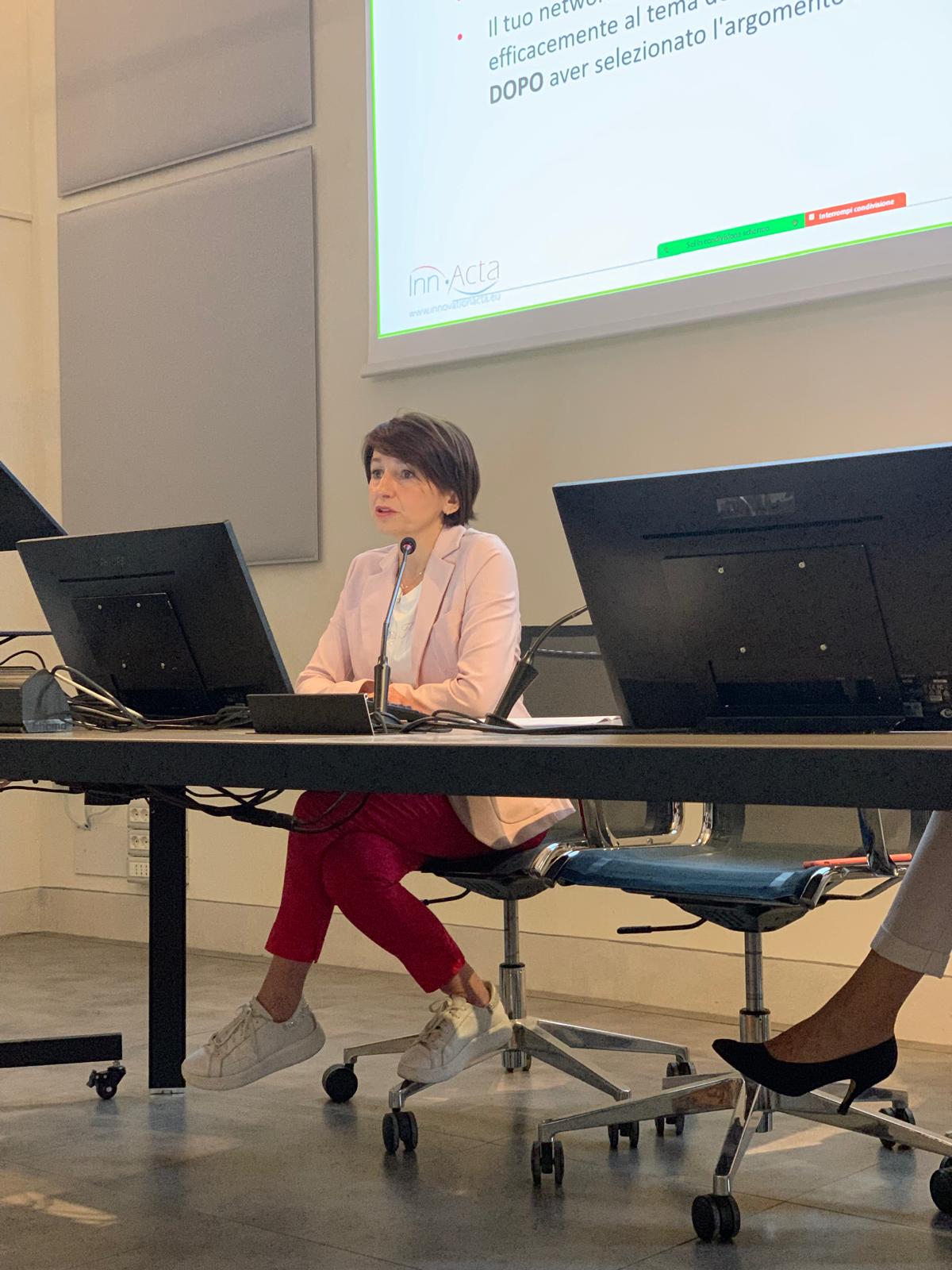

Communication, Dissemination & Meeting Organization
Communication & Dissemination
The skilled staff at Innovation Acta’s supports the partners in the communication and dissemination activities throughout the project to achieve specific objectives:
- To communicate and disseminate the project results beyond the project partners to a larger audience and potential users of the results, including the clinical/scientific community, the general public and the patients, as they are a key target of the project results;
- To facilitate and promote interaction with stakeholders (like patients and their families, clinicians and regulatory agencies, etc.).
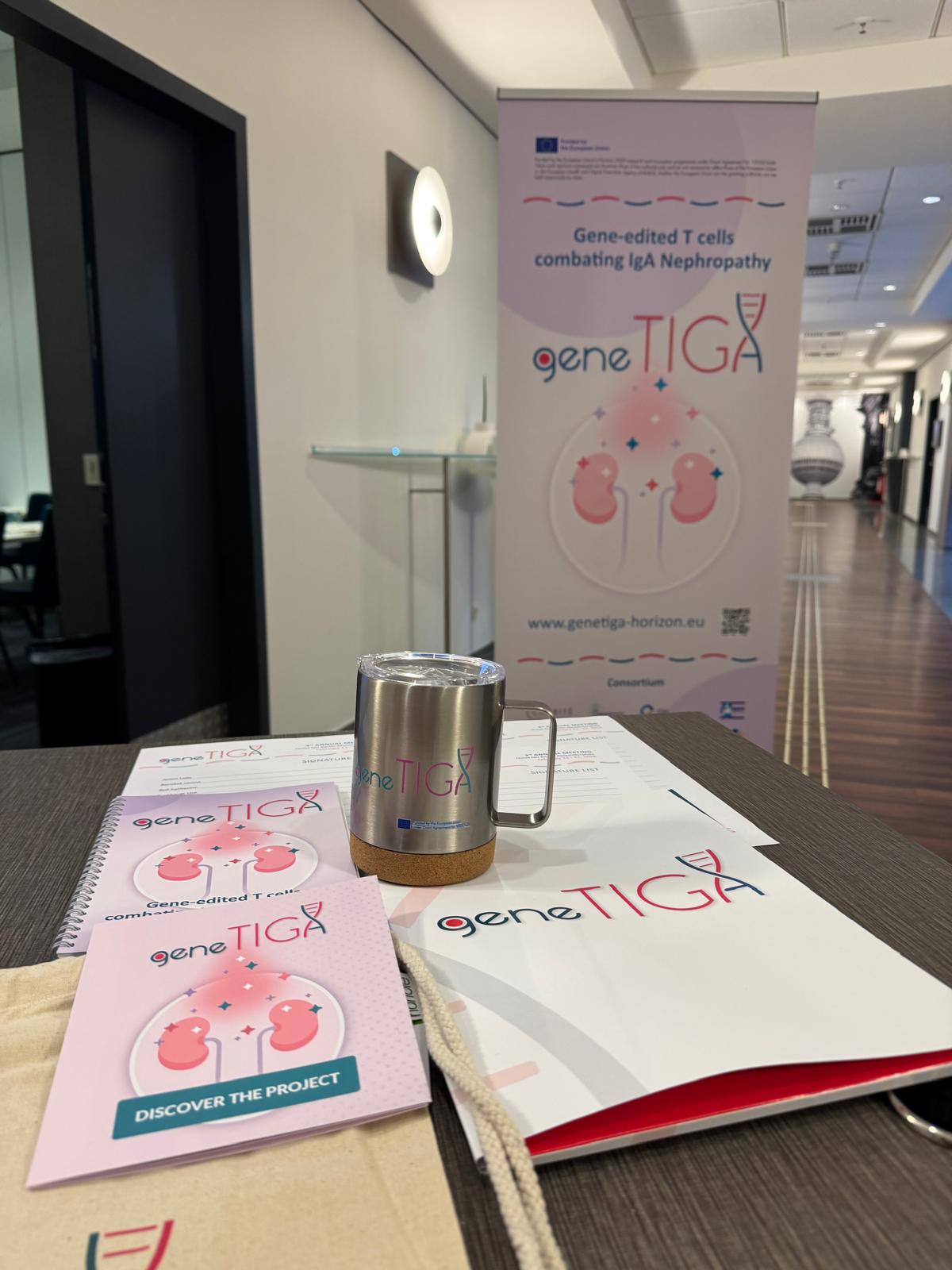
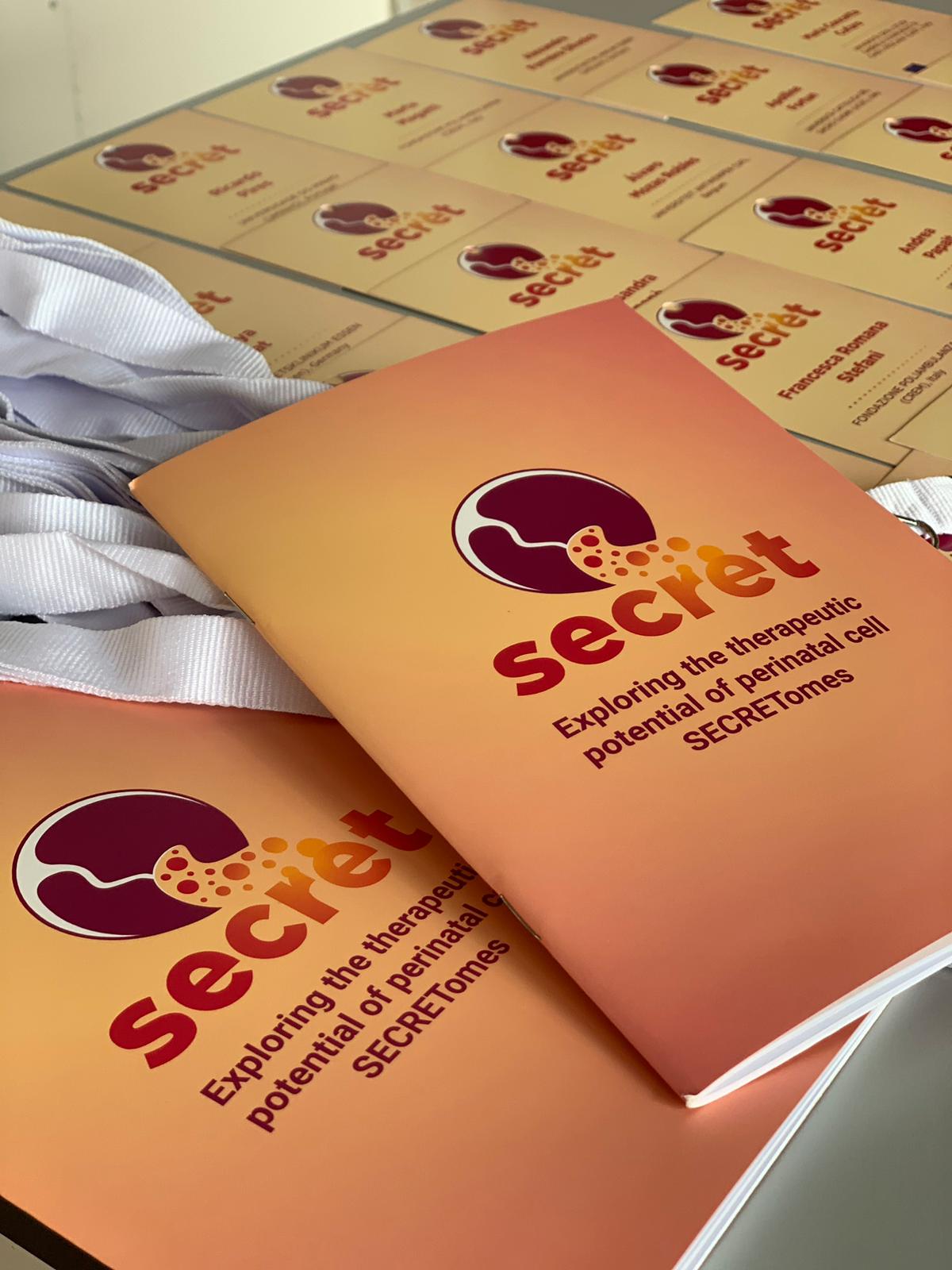
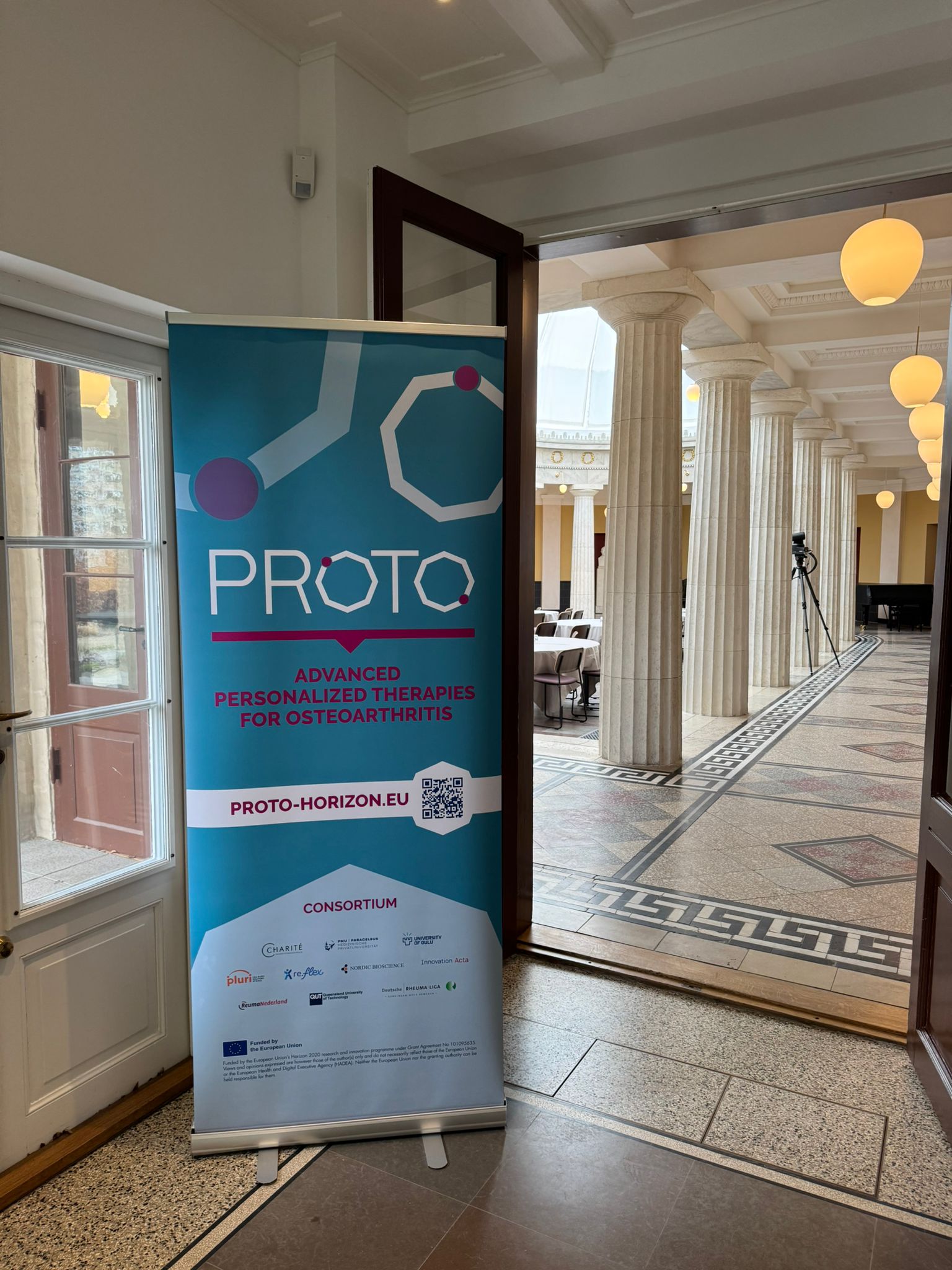
Innovation Acta creates the visual identity of the project and takes care of the design of the logo. The skilled web designer in the Innovation Acta team designs the project website and develops both digital (e.g. slide layout, templates, newsletters, illustrations) and printed graphical material ( e.g. brochures, banners).
A project websites are developed, implemented and maintained by Innovation Acta and regularly updated with information about activities in the consortia and results of the project. The website acts as an information tool to interface with the public, while also having a reserved area accessible only to the partner in the consortium.
Additionally, Innovation Acta creates and manages the social accounts for the funded projects based on inputs received from the Consortium partners.
Meetings & Events
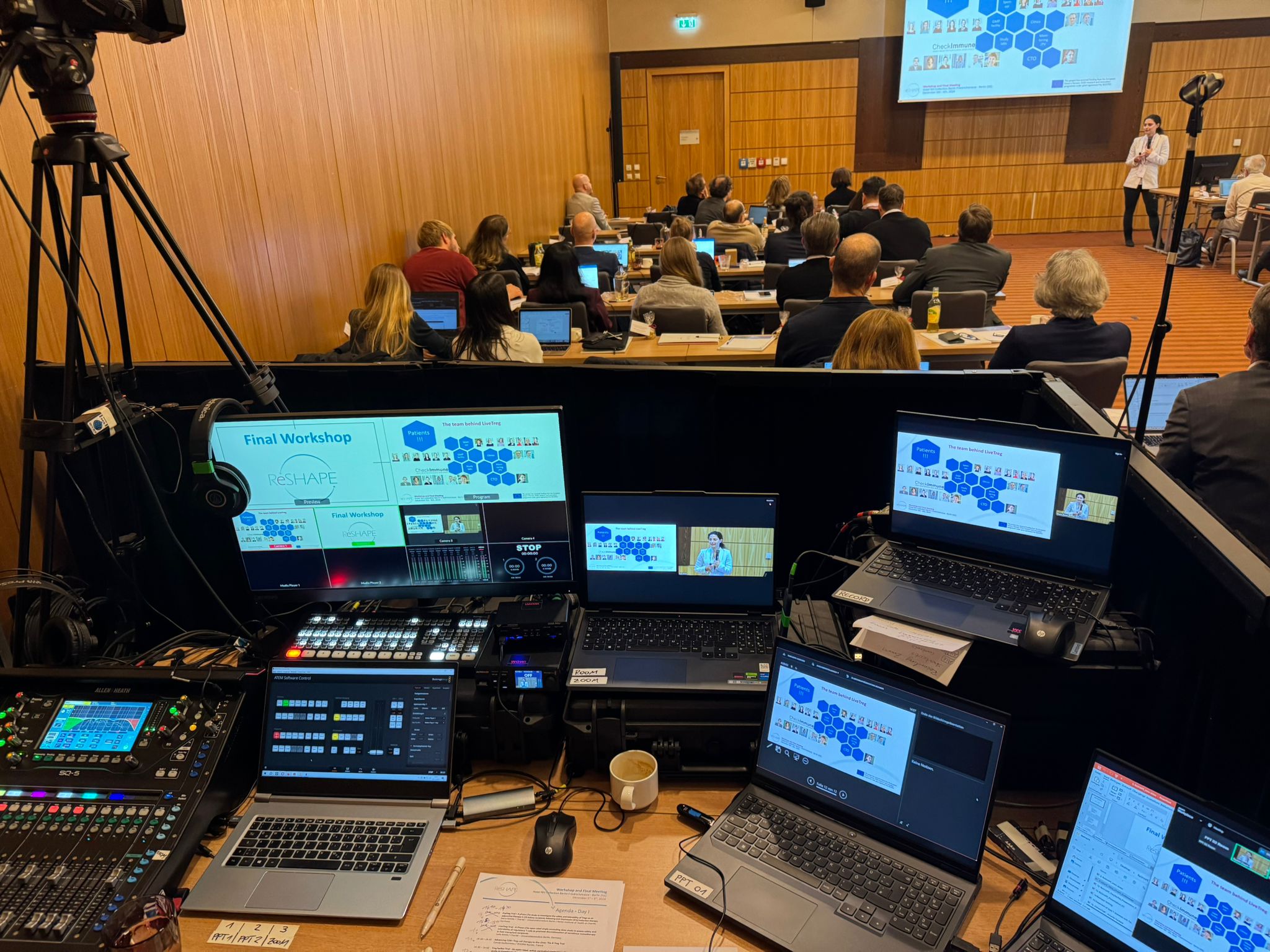
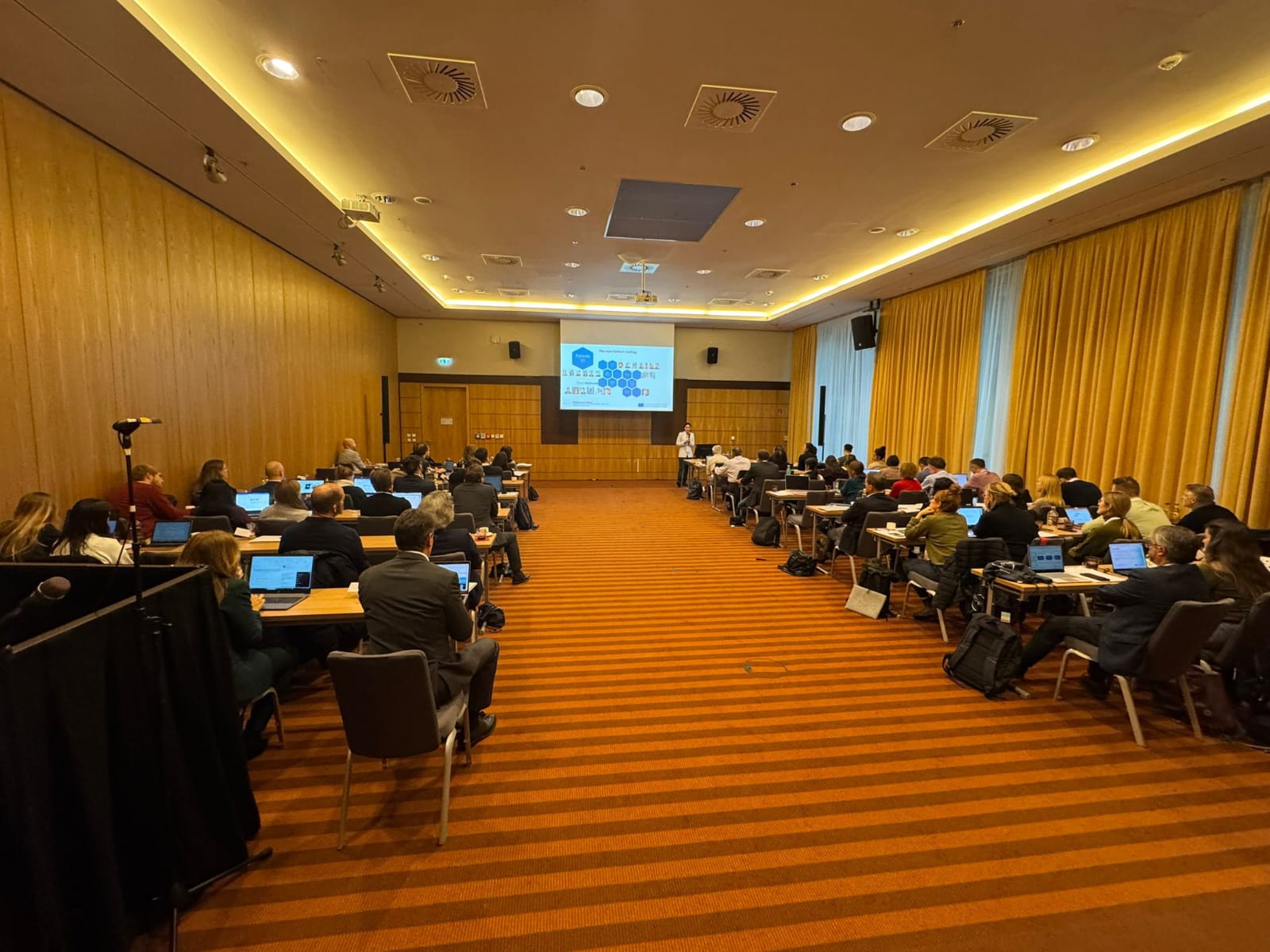
Innovation Acta has extensive experience in the organization of meetings, scientific events and congresses. We handle everything from strategic planning to coordination, operational execution, on-site management, evaluation, and follow-up.
We offer a vast portfolio, which allows you to choose among various services:
- Conference and meeting program definition
- Online platform for virtual meetings, webinar and courses
- Invitation and registration of participants
- Customised registration tool to address specific needs
- Handling of registration fees where required and of related financial reports
- Identification of meeting venues
- Organization of travel and transfer services
- Hotels, restaurants, catering services and social events reservation
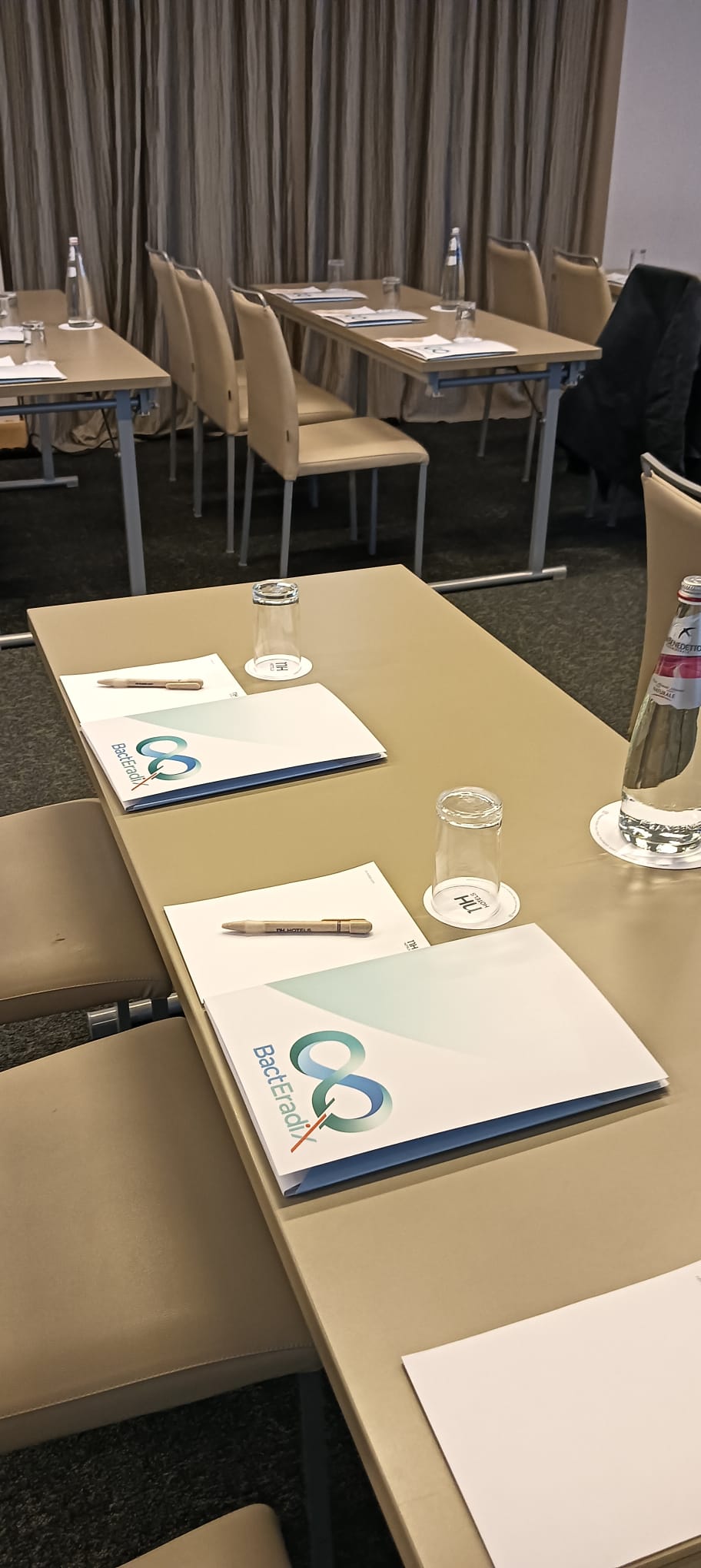
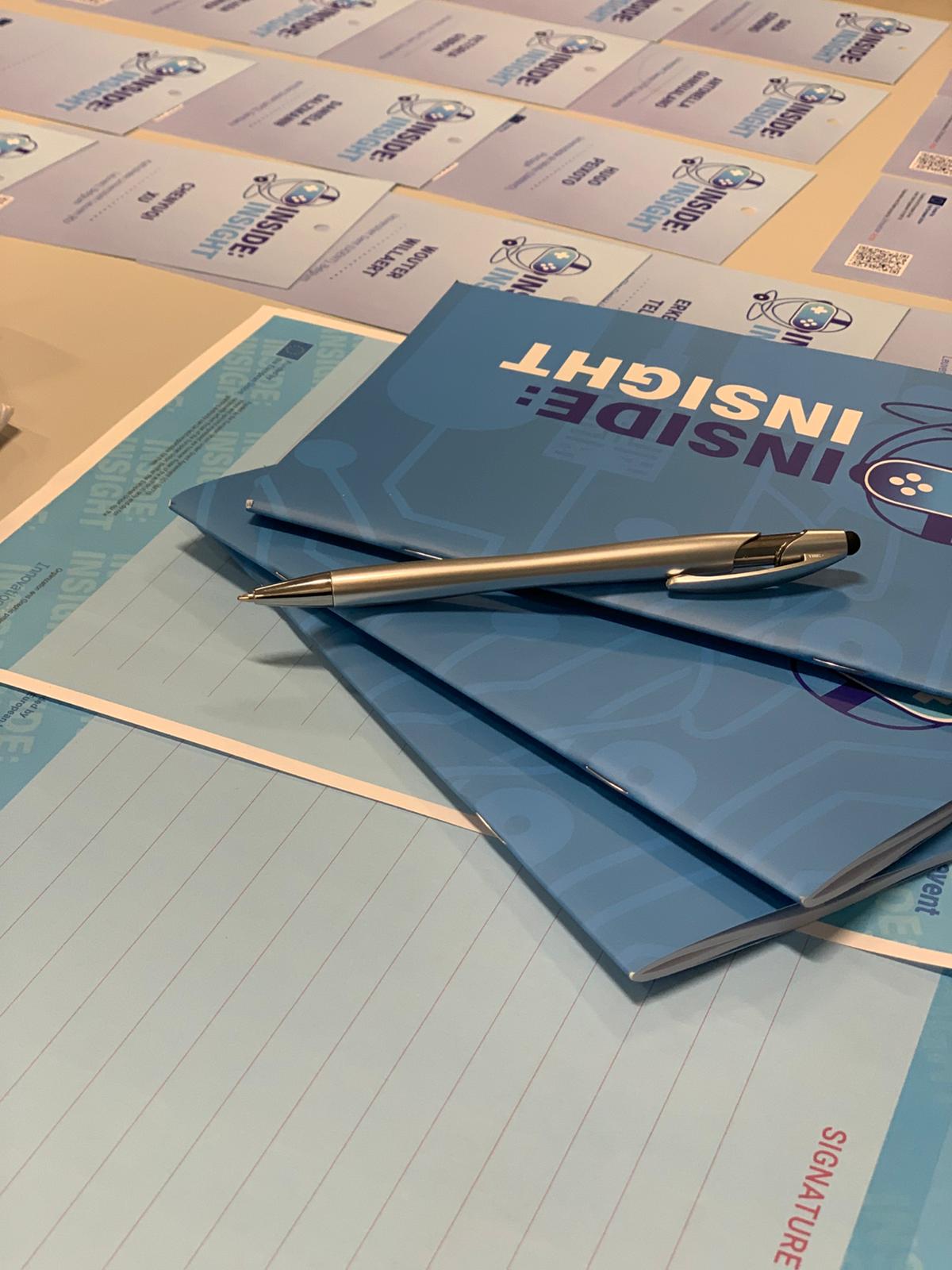
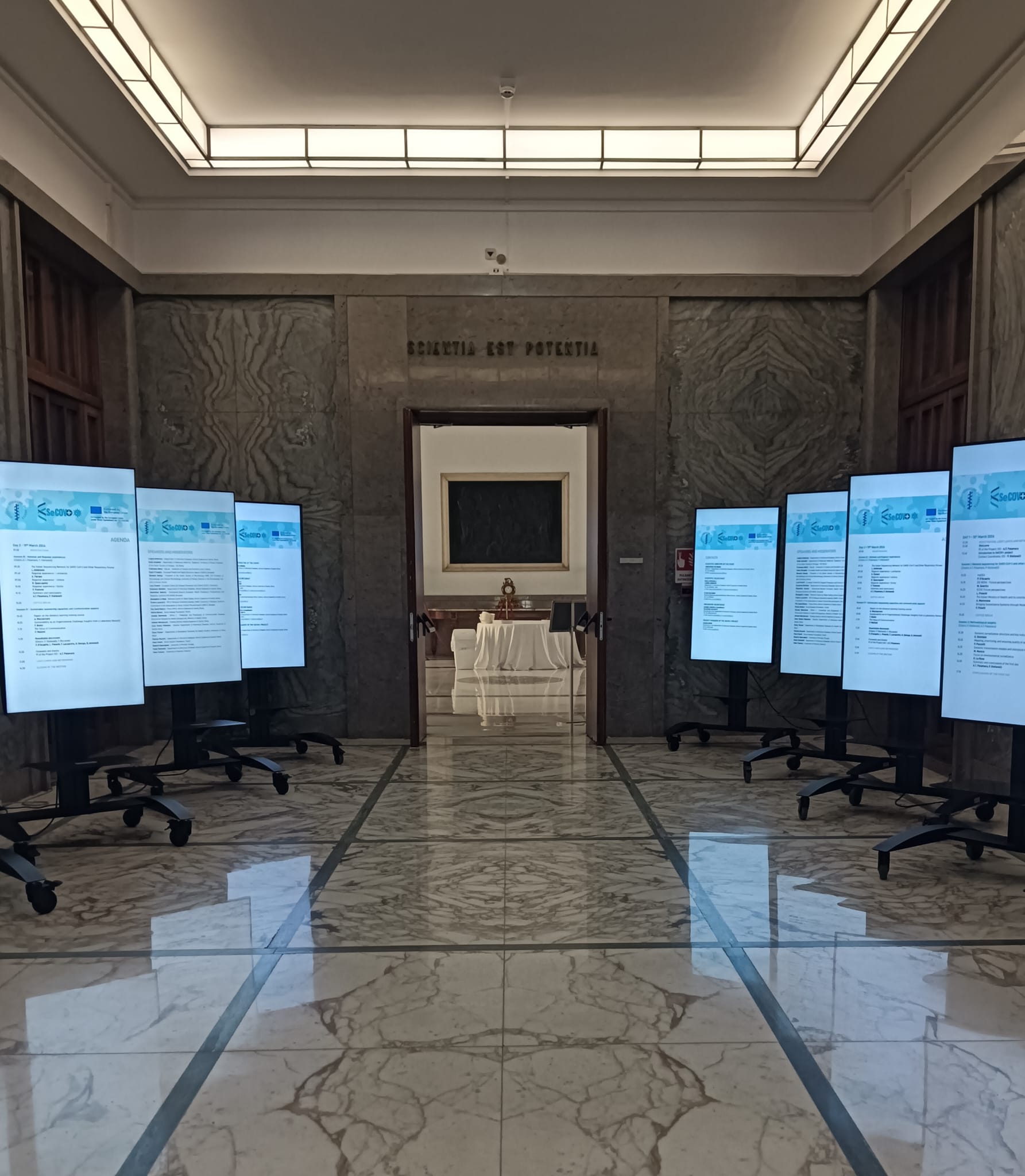
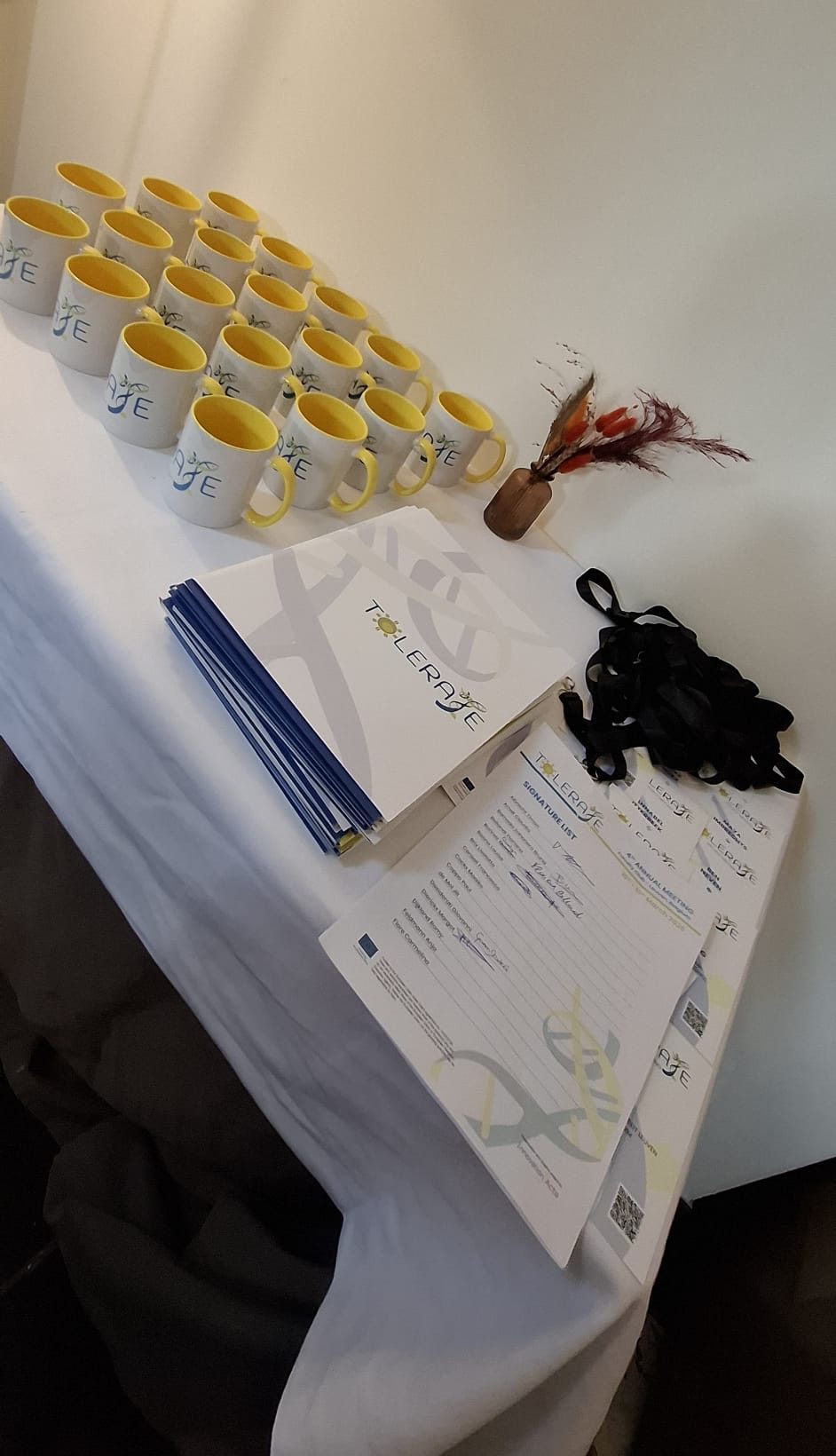
- Graphic material e.g. folders, agenda, logistic info, badges
- Technical and logistical assistance during the event
- Networking and team building activities organization
- Procedure for accreditation to professional entities (i.e. UEMS-EACCME or local entities)
CFS Service & Financial Reporting
Innovation Acta has added Level I Audit services for projects funded by the European Commission, as well as Italian funding under the PNRR and PNC.
A team of experienced professionals registered with the register of statutory auditors will prepare the CFS (Certificate on the Financial Statements).
This is the mandatory financial statement certification issued by an independent statutory auditor. It certifies the eligibility of expenses for reimbursement of costs reported in European and nationally funded projects.
These services involve collecting, documenting, and presenting financial data on research activities or operational projects. This includes budget tracking, expense reconciliation, forecasting future costs, and compliance with funding guidelines. Clear, timely reports help project teams monitor spending, allocate resources efficiently, and demonstrate responsible management of project funds.

Funded Project Management
Innovation Acta provides comprehensive project management support throughout the entire lifecycle of a funded project.
Once the project is granted, Innovation Acta supports day-to-day project management activities, including administrative and financial coordination, monitoring of timelines and deliverables, and the preparation and submission of periodic and final reports. In addition, the company offers assistance covering grant agreement preparation and negotiation, consortium agreement drafting, contractual amendments, and the management of ethical and compliance-related issues, ensuring smooth and effective project implementation.
Beyond operational coordination, Innovation Acta also provides strategic guidance to ensure the project’s long‑term success. The team establishes effective governance structures, facilitates communication among partners, and ensure compliance with EC regulation.
Innovation Acta organises consortium and review meetings, provide guidance and templates e graphical material (digital and printed) and supports dissemination and stakeholder engagement activities.
We also assists with budget monitoring, and tracking progress of the use of resources and funding, ensuring transparency and accountability.

Funding Opportunities & Proposal Writing
Identifying funding opportunities and developing strong research proposals are essential steps in promoting scientific innovation. With more competition for financial resources, researchers need to carefully and strategically navigate funding landscapes and create proposals that show the importance, feasibility and practicality of their work.
To secure funding, starts by exploring a wide range of sources including government agencies, private foundations, industry partners, and international organizations, to identify programs and specific calls that align with a project’s goals. Understanding eligibility requirements, application timelines, evaluation criteria, and budget limitations is crucial to maximizing the chances of success.
Proposal writing requires both scientific expertise and strong communication skills. A strong proposal clearly outlines the research objectives, methodology, expected outcomes, and potential impact, while demonstrating feasibility through realistic timelines, risk management strategies, and detailed budgets. It should also highlight the project’s relevance within the broader scientific, clinical, or societal context. Innovation Acta assists clients in the organization, coordination, and building of high-quality proposals, ensuring full compliance with programme requirements and managing the formal submission process.
A strategic approach to funding and writing proposals helps researchers get the resources they need to advance their work and make meaningful contributions to science.